
The Allure of Gambling: Understanding the Attraction
The world of casino games is mesmerizing, drawing millions of players into its vibrant environment. The allure of gambling lies in the thrill of taking risks and the potential for reward, which stimulate the brain’s pleasure centers. Many players are attracted to the promise of winning, and the excitement of placing a bet can create a euphoric feeling. This psychological reward can lead to a cycle where players continuously seek that high, often disregarding the statistical odds against them. Online, players also have various options available, such as no kyc online casinos, which can further enhance their gambling experience.
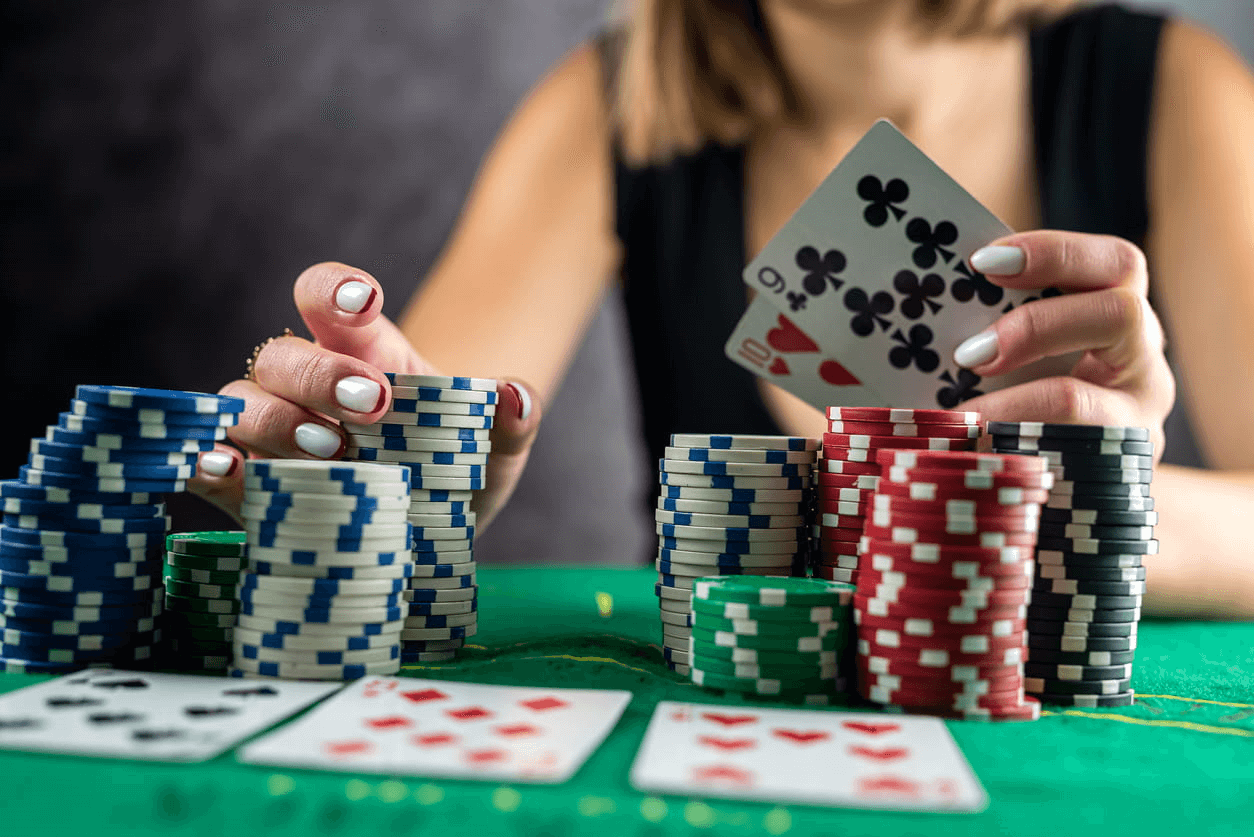
Moreover, casinos are designed to enhance this attraction, employing elements such as bright lights, engaging sounds, and the strategic placement of games to create an immersive experience. The combination of these sensory stimuli can heighten the emotional responses of players, making them more likely to gamble impulsively. Understanding this psychological draw is essential for both players and operators in the gaming industry.
The Role of Cognitive Biases in Gambling
Cognitive biases significantly impact how players make decisions in casinos. One prevalent bias is the illusion of control, where gamblers believe they can influence random outcomes. This belief is especially common in games like blackjack or poker, where players feel their skills can lead to victory. Such biases can lead to overconfidence, driving players to take greater risks than they typically would in other areas of their lives.
Another critical bias is the availability heuristic, where players are influenced by recent wins or losses rather than the actual odds of the game. If a player has won recently, they may feel invincible and continue to gamble, ignoring the reality of the game’s statistical probabilities. These cognitive biases underscore the complex interplay between psychological factors and gambling behavior.
The Emotional Journey of the Player
Gambling is not just a game of chance; it is also an emotional journey that players embark upon with each bet. The highs of winning can evoke feelings of joy and excitement, while losses can lead to disappointment and frustration. This rollercoaster of emotions can create a powerful feedback loop, as players seek to recapture the exhilaration of a win. As they navigate these emotional peaks and valleys, players often make impulsive decisions that can lead to greater losses.
The emotional investment in gambling can also create a sense of attachment to specific games or activities. Players may develop preferences based on their emotional experiences, gravitating towards games that provide the most significant emotional payoff. Understanding this emotional journey helps in recognizing why players may continue to gamble despite adverse outcomes.
The Influence of Social and Environmental Factors
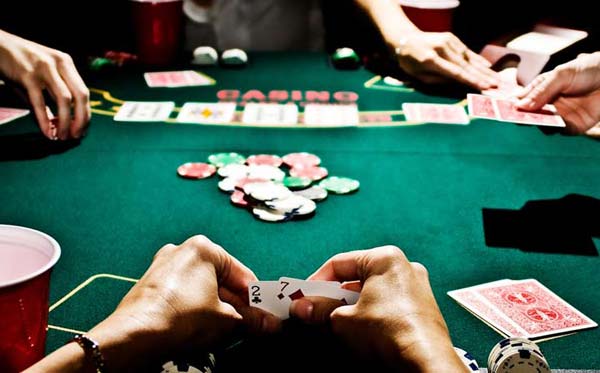
Social dynamics play a considerable role in gambling behaviors. Players often participate in casino games in groups, where camaraderie and shared experiences can amplify the thrill of the game. The social atmosphere of casinos can encourage players to spend more time and money gambling, as they feed off each other’s enthusiasm. Additionally, peer pressure can lead individuals to gamble more than they initially intended, driven by the desire to fit in or match the stakes of their companions.
Environmental factors, such as the physical layout of a casino, also affect player behavior. Casinos are designed to keep players engaged, often with minimal distractions from outside forces. This carefully curated environment can facilitate longer gambling sessions and increase spending, as players feel enveloped in the excitement that the casino offers. The combination of social influences and environmental cues creates a compelling backdrop for gambling activities.
Enhancing Language Skills while Navigating the Casino Experience
For those interested in both gambling and improving English language skills, the exploration of casino games can present an enriching experience. Engaging with others in the casino environment can provide ample opportunities for conversational practice, vocabulary expansion, and comprehension of varied linguistic contexts. Understanding terms commonly used in gaming improves both language skills and the overall gaming experience.
Moreover, educational resources, such as articles and guides focused on the psychology of gambling, can enhance one’s understanding of the intricate dynamics at play. By merging the excitement of casino games with language learning, individuals can gain valuable insights into both realms, fostering a comprehensive educational journey. This intersection of language and gaming opens up new avenues for personal growth and connection.